A roof that has started leaking, shedding granules, or showing worn shingles forces a major decision: roof replacement versus reroofing. The lower upfront price of an overlay can be appealing, especially when a property needs to stay protected quickly. But placing new shingles over an existing roof is not always the right long-term solution. The condition of the roof deck, the number of existing layers, the source of any leaks, and applicable local requirements all matter before work begins.
For homeowners and property owners in Los Angeles and Orange County, the best choice comes from an honest site assessment, not a one-size-fits-all sales pitch. A properly scoped roofing project protects the building, supports property value, and gives you a clear picture of what is happening beneath the surface.
What Reroofing Actually Means
Reroofing, often called a roof overlay, means installing a new layer of roofing material over the existing layer rather than tearing the old material off first. For an asphalt shingle roof with only one existing layer and no significant underlying problems, this can sometimes be an efficient option.
The primary advantage is reduced labor. Since the crew does not need to remove and dispose of the existing shingles, the project may involve less demolition and can move faster than a full tear-off. It can also reduce immediate project costs.
That said, reroofing does not allow the contractor to fully inspect the roof deck across the entire surface. Soft wood, moisture damage, deteriorated underlayment, or hidden flashing failures can remain concealed beneath the new layer. An overlay also adds weight to the roof system and may shorten the useful life of the new shingles compared with installation over a clean, properly prepared deck.
Reroofing is best viewed as a conditional option, not a default shortcut. It works only when the existing roof is structurally sound, relatively flat and even, and free of active moisture issues that need correction.
What a Full Roof Replacement Includes
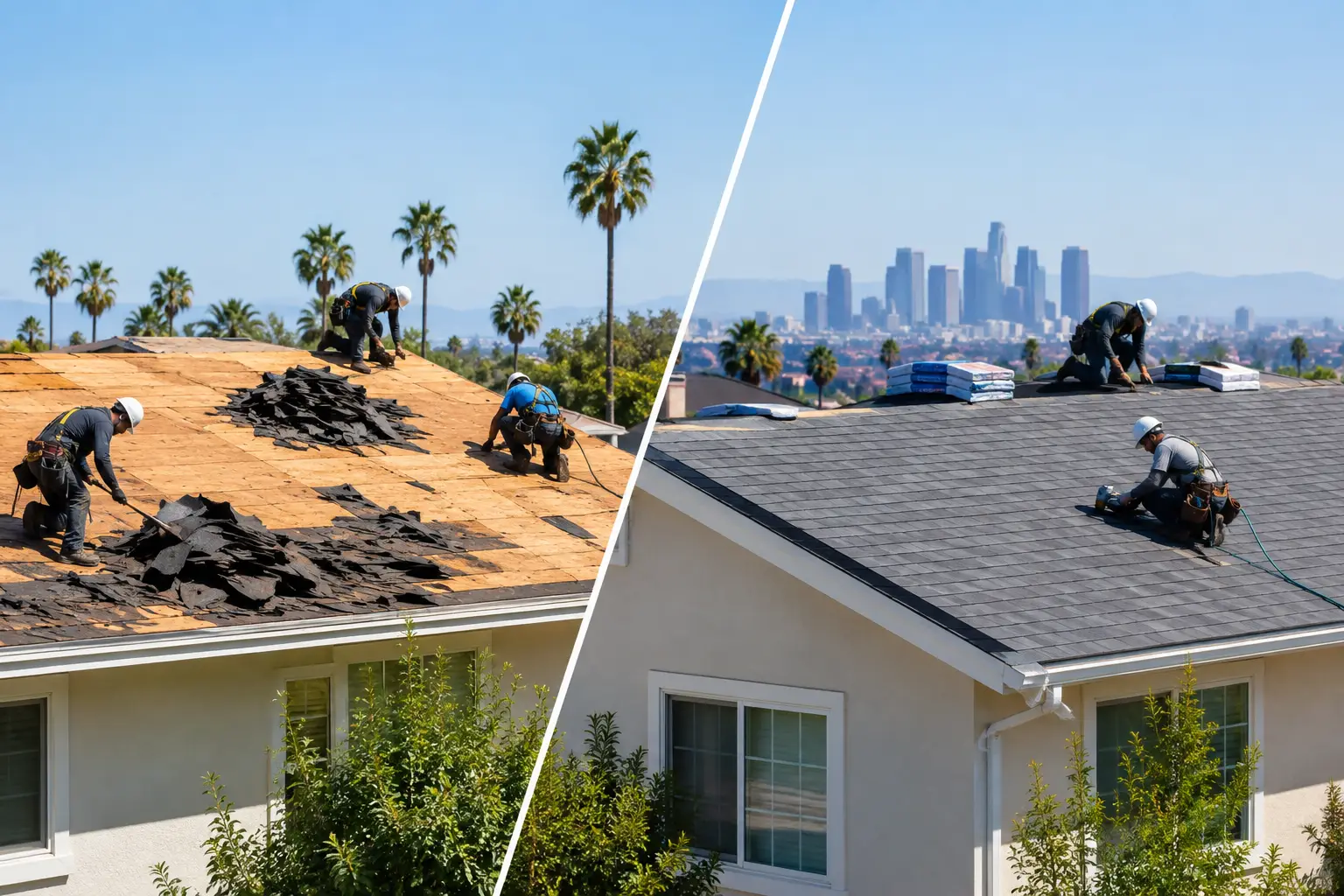
A roof replacement starts by removing the existing roofing materials down to the deck. This approach creates the opportunity to inspect the sheathing, address damaged sections, and rebuild the roofing system in the correct sequence.
Once the deck is prepared, the contractor installs the components that work together to manage weather exposure: underlayment, flashing, ventilation details where applicable, roof covering, and finish materials at penetrations and edges. The exact scope depends on the roof design and selected material, but the purpose is the same – create a complete, dependable system rather than simply cover the old one.
A full replacement costs more upfront because it includes tear-off, disposal, deck inspection, and potentially wood repairs. Yet it usually gives the owner a more accurate understanding of the roof’s condition. It also avoids trapping old materials and unknown problems below a new surface.
For older homes, roofs with recurring leaks, or properties preparing for a major remodel or addition, a replacement is commonly the more responsible path. It provides a clean starting point and allows the new roof to be integrated properly with updated flashing, penetrations, and adjacent construction.
Roof Replacement Versus Reroofing: The Key Differences
The biggest difference is not simply price. It is visibility. With reroofing, the old layer stays in place. With replacement, the contractor can see and evaluate what has been protecting the home underneath the visible shingles or other roofing material.
A reroof can be appropriate when the existing roof has one layer, shows broad wear rather than isolated failures, and has no evidence of deck deterioration or trapped moisture. It may make sense for an owner who needs a practical solution for a sound roof nearing the end of its surface life.
A replacement becomes the stronger choice when the roof has persistent leaks, sagging areas, damaged sheathing, poor previous installation work, or multiple existing layers. Complex roofs with valleys, skylights, chimneys, solar-related penetrations, and numerous transitions also deserve closer attention. These details are common points of water intrusion, and covering an old roof does not correct a failed flashing system below.
Material choice also matters. Some roof systems are not suitable for an overlay, and local requirements may limit how many layers can remain in place. A licensed contractor should review the existing assembly, roof geometry, ventilation approach, and project scope before recommending either option.
When an Overlay May Be Worth Considering
An overlay is not automatically poor workmanship. Under the right conditions, it can be a reasonable construction decision. The roof should have a stable, even surface and no indication that water has compromised the deck or framing below.
It is also important to consider the property’s plans. If the owner expects to install solar, complete a room addition, alter rooflines, or undertake a major renovation soon, a reroof may create work that needs to be removed or modified later. In those cases, it may be more efficient to coordinate the roofing work with the larger construction plan.
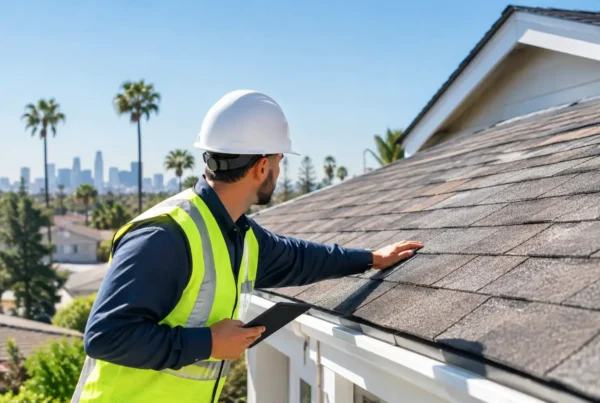
Before recommending an overlay, a qualified roofing contractor should look beyond the visible shingle wear. They should evaluate valleys, eaves, penetrations, flashing, drainage patterns, and signs of interior moisture. A quick glance from the driveway is not enough to determine whether one more layer is a sound decision.
Signs a Full Replacement Is the Better Investment
A complete tear-off is usually the safer recommendation when the existing roof may be hiding failure. The following conditions deserve a thorough professional assessment:
- Leaks that return after prior repairs or appear in more than one area
- Soft spots, sagging roof planes, or visible deterioration at the eaves
- Missing, damaged, or poorly integrated flashing around chimneys, walls, vents, or skylights
- Multiple existing roofing layers or a roof surface that is uneven and heavily worn
- Planned additions, structural changes, or major exterior renovations that will affect the roof
These conditions do not automatically dictate one solution in every case. They do, however, raise the risk that reroofing would conceal rather than solve the underlying problem. A replacement allows damaged components to be identified and corrected before new roofing materials are installed.
Cost, Timing, and Long-Term Value
Reroofing generally costs less at the beginning because demolition and disposal are reduced. However, the lowest initial proposal is not always the lowest ownership cost. If an overlay masks moisture damage or needs to be removed earlier than expected, the owner may face another major roofing project sooner.
A roof replacement requires a larger initial commitment, but it offers clearer scope control. Once old materials are removed, the contractor can document deck conditions and discuss any necessary repairs before closing the roof back up. That transparency helps owners make informed decisions rather than discover hidden issues after the project is finished.
Project timing depends on roof size, material, access, weather conditions, the condition found after tear-off, and coordination with inspections when required. Responsible contractors avoid promising an identical timeline for every roof. What matters is having a defined plan, a prepared crew, appropriate safety controls, and consistent communication when site conditions affect the scope.
For commercial properties or multifamily buildings, the decision may also involve occupant coordination and protection of operations below. A contractor should plan access, material staging, debris containment, and daily site cleanup around the needs of the property.
How to Make the Right Call for Your Property
Start with a detailed evaluation of the existing roof, not just a quote based on square footage. Ask what the contractor observed, whether the roof appears to have more than one layer, how flashing and penetrations will be handled, and what may change if concealed damage is found after tear-off.
It is also wise to compare proposals by scope, not only by total price. One estimate may cover new shingles alone, while another includes removal, underlayment, flashing upgrades, wood replacement allowances, disposal, and jobsite protection. Those are fundamentally different projects, even if both are described as a “new roof.”
RD Fast Construction approaches roofing as part of the home’s full protective envelope. That means evaluating the work with attention to the structure, exterior transitions, construction sequencing, and the owner’s larger plans for the property.
The right roofing decision should leave you with more than a fresh-looking surface. It should give you confidence that the system beneath it was evaluated carefully, the scope is clear, and the work is built to support the next chapter of your property.