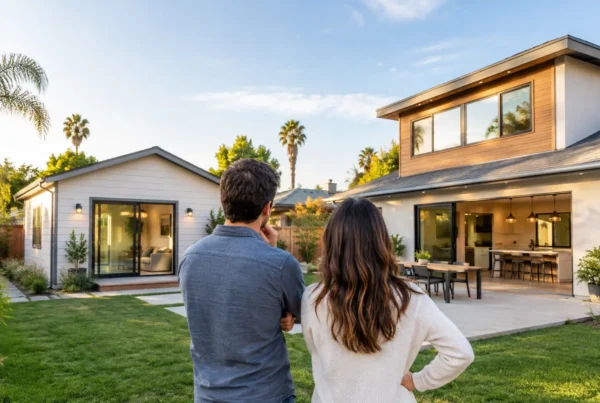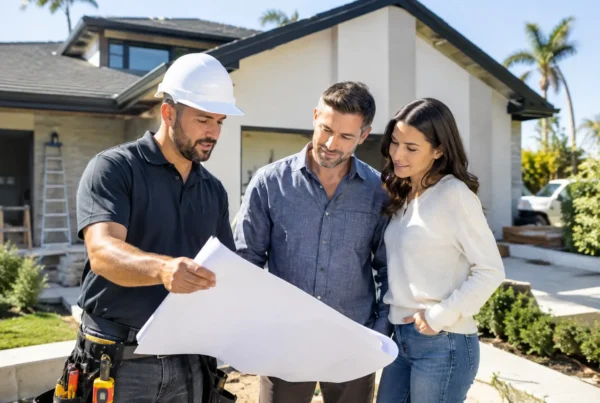
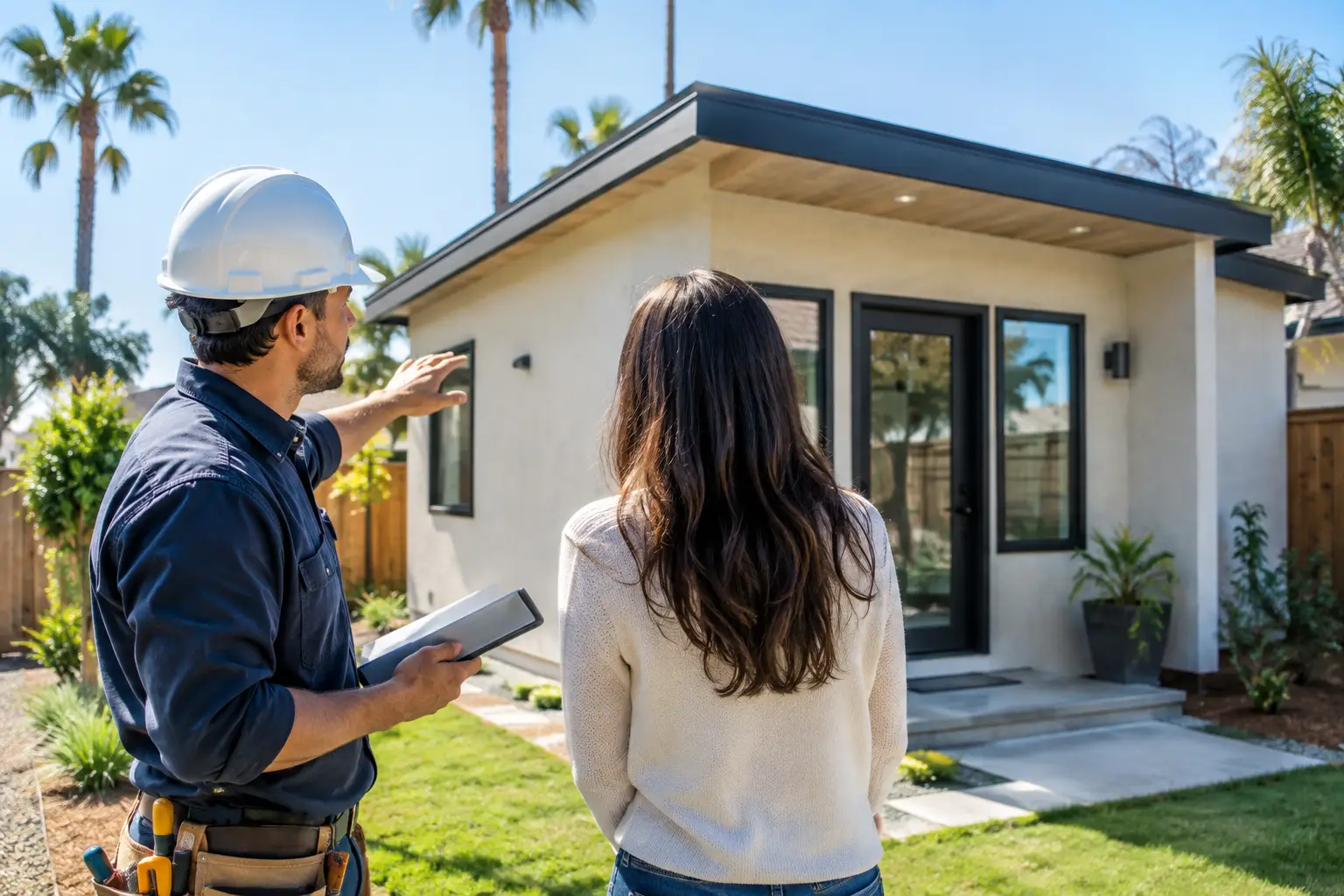
A detached backyard home, a garage conversion, or an attached ADU can change how a property works for years to come. Finding the best ADU contractor Los Angeles homeowners can rely on is not about choosing the lowest number on an estimate. It is about choosing a licensed construction partner with the planning discipline, field experience, and accountability to carry a complex project from early decisions through final inspection.
An ADU is a complete residential construction project in a compact footprint. It may involve design coordination, site access planning, utility work, foundations, framing, roofing, plumbing, electrical, HVAC, insulation, finishes, inspections, and closeout. Each phase affects the next. A contractor who understands that connection can help prevent small early oversights from becoming expensive delays later.
What Makes the Best ADU Contractor in Los Angeles?
The right contractor should be prepared to discuss more than square footage and finishes. They should ask informed questions about the existing property, the intended use of the ADU, access constraints, the condition of an existing garage if one is involved, and the decisions that may affect scope before construction begins.
Experience matters, but relevant experience matters more. A contractor who regularly builds ADUs and manages major residential projects understands the coordination required between plans, trades, inspections, materials, site conditions, and homeowner expectations. That background is especially valuable in Los Angeles, where older properties, tight lots, sloped sites, overhead utilities, and limited access can shape the construction approach.
Look for a company that takes responsibility for the full process rather than treating construction as a disconnected series of tasks. Design-build coordination can create a clearer path from feasibility and plan development to permits, site preparation, construction, and completion. The contractor does not replace the professionals involved in design or engineering, but a capable general contractor helps keep those moving parts organized.
A Clear Scope Before Work Starts
A dependable ADU proposal should explain what is included, what assumptions are being made, and which items may need further review. Vague descriptions can make two estimates appear comparable when they are not. One proposal may include demolition, utility connections, fixtures, finishes, or permit coordination, while another leaves those items outside the stated scope.
Ask a contractor to walk through the work in practical stages. For a detached ADU, that may include site preparation, excavation, foundation work, framing, roofing, rough plumbing and electrical, mechanical systems, drywall, interior finishes, exterior work, inspections, and final punch-list items. For a garage conversion, the discussion should address the existing structure and the work needed to convert it into a safe, functional living space.
The goal is not to demand a perfect answer before every detail is known. Construction has variables, particularly when work begins on an existing property. The goal is to understand how the contractor identifies unknowns, documents changes, and communicates potential impacts before proceeding.
Verify Licensing, Insurance, and ADU-Specific Experience
A licensed general contractor is accountable for managing a project at the level an ADU requires. Before signing an agreement, verify the contractor’s license status and ask about insurance coverage appropriate to the work. A professional contractor should be straightforward about providing current business information and explaining who will manage the job.
Then move beyond credentials. Ask for examples of completed ADUs, garage conversions, additions, or similarly involved residential work. Project photos can be useful, but the stronger conversation is about how the contractor handled real conditions: a constrained site, an aging structure, utility coordination, inspection requirements, or a homeowner change made during construction.
You should also understand whether the company uses its own experienced project leadership and how it coordinates specialized trades. Plumbing, electrical, HVAC, roofing, and other scopes must be sequenced properly. A general contractor’s value is not simply hiring subcontractors. It is maintaining quality control, keeping the schedule moving, protecting the jobsite, and making sure the finished work comes together as one complete home.
Pay Attention to the Preconstruction Process
The most productive ADU projects are often won before construction starts. Preconstruction is where a contractor reviews the property, discusses priorities, identifies foreseeable constraints, and helps organize the path ahead. A rushed estimate based on limited information may feel convenient, but it can leave too many important questions unanswered.
During this stage, a qualified contractor should be able to explain what information is needed for a more accurate scope. That may include plans, site details, utility information, existing conditions, finish selections, and access considerations. The exact requirements depend on the project, but the process should feel organized rather than improvised.
This is also the right time to discuss permits and inspections. Local requirements can vary by property and project type, and agency review timelines are outside any contractor’s direct control. A reliable contractor will not promise a specific approval date. Instead, they will explain their role in coordinating plans, responding to construction-related questions, preparing for inspections, and maintaining the documentation needed to keep work progressing.
Ask How Communication Will Work on Your Project
Strong workmanship can be undermined by weak communication. An ADU project affects daily life, access to the property, parking, noise, utilities, and household routines. Homeowners deserve to know who their primary point of contact will be, how often they can expect updates, and how questions or change requests will be handled.
Ask direct questions: Who supervises the site? How are schedule updates shared? What happens if an existing condition differs from the plans? How are selections confirmed? How are change orders documented before added work begins?
The answers should be specific. “We will keep you posted” is not a process. A better answer identifies the project manager or superintendent, describes the update cadence, and explains how decisions are recorded. That structure protects both the homeowner and the contractor from misunderstandings.
For occupied properties, communication also supports safety and respect for the home. Professional jobsite management includes keeping work areas organized, coordinating deliveries, securing materials and equipment, and addressing concerns promptly. Construction is disruptive by nature, but it does not need to feel chaotic.
Compare Value, Not Just the Initial Price
An ADU is a substantial addition to a property, and price naturally matters. However, the lowest estimate is not automatically the best value. A lower number can reflect a smaller scope, missing allowances, limited project management, or assumptions that become visible only after work begins.
When comparing proposals, look for consistency in scope and quality expectations. Are the materials and finishes described? Does the estimate identify what is included for mechanical systems? Is site work addressed? Are permit-related responsibilities clear? Does the contractor explain how unforeseen conditions and owner-requested changes are handled?
A higher estimate is not automatically better either. It should be supported by detail, credible planning, and a clear explanation of the work. The right decision comes from comparing equivalent scopes and choosing the team that gives you confidence in both the process and the finished result.
Choose a Partner Who Can Carry the Work to Completion
Some contractors are strong at starting projects but less equipped to manage the final stretch, where inspections, finish details, punch-list work, and closeout require close attention. Ask how the company handles final quality checks and what the completion process looks like.
At RD Fast Construction, ADU work is managed as a complete construction process, from planning and coordination through foundations, framing, systems, finishes, inspections, and final completion. That approach gives homeowners one accountable team focused on the details that turn a set of plans into a finished living space.
The best fit is a contractor who listens carefully, explains the work plainly, documents the scope, and has the capacity to follow through. Your ADU deserves more than a fast estimate. It deserves a construction partner ready to build it right, communicate clearly, and treat your property with the care the project demands.