A water stain spreading across a ceiling after the first hard rain is not just a cosmetic problem. It is a signal that moisture has found a path through the roofing system, and the right response depends on more than the size of the stain. When homeowners ask about roof replacement vs roof repair, how to decide usually comes down to the roof’s age, the source and extent of damage, and whether a repair will truly protect the home for years to come.
A professional assessment should look beyond the visible symptom. A missing shingle, cracked tile, or ceiling leak may be a localized issue. It may also be evidence that underlayment, flashing, roof decking, or drainage conditions are failing in multiple areas. The goal is not to recommend the largest project. It is to make the soundest decision for the property.
Start With the Scope of the Damage
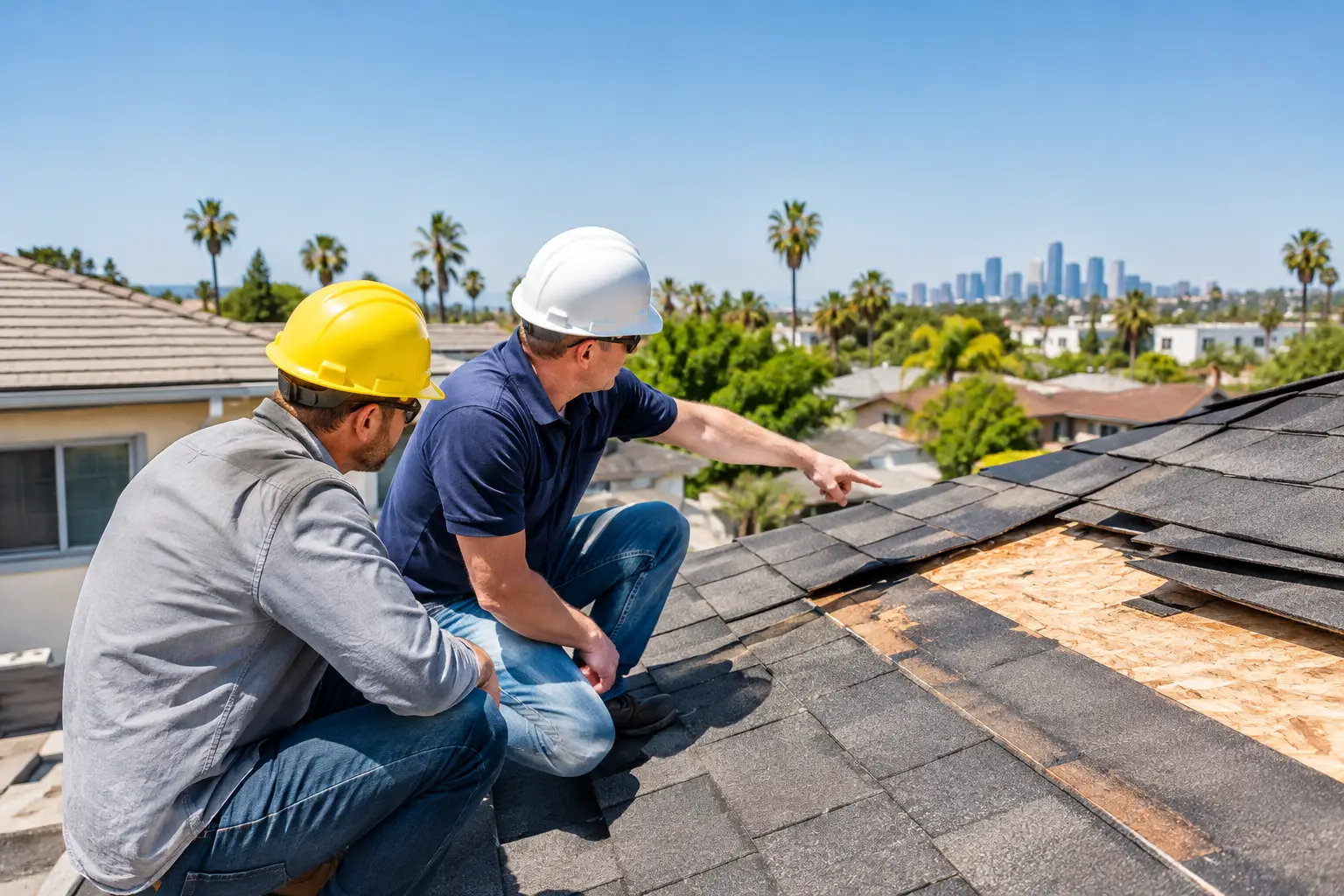
A repair is often the right choice when damage is isolated and the rest of the roof remains in solid condition. For example, wind may have displaced a limited section of shingles, a pipe penetration may have failing flashing, or a small area may have been damaged by a fallen branch. If the surrounding roofing material is secure, the underlayment is functioning, and there are no recurring leaks, targeted repair can restore protection without replacing a roof that still has useful service life.
Replacement becomes more practical when the damage is widespread or repeated. Multiple active leaks, broad areas of cracked or slipping tile, extensive granule loss on asphalt shingles, sagging roof planes, and visible deterioration at several penetrations all point to a system-level problem. Repeated patching can become expensive while still leaving the home exposed to the next failure.
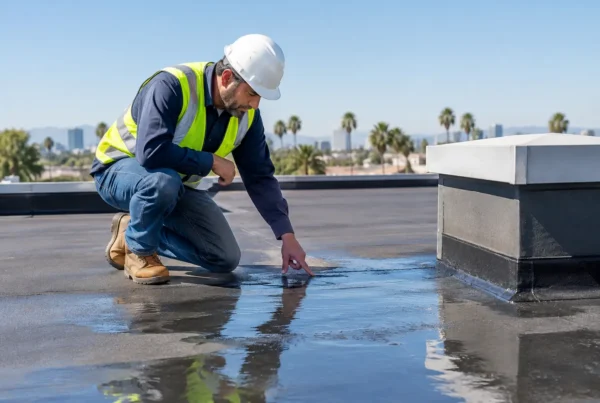
Water does not always enter where it becomes visible indoors. It can travel along framing, underlayment, or electrical penetrations before reaching the ceiling. That is why a roofing evaluation should include the roof surface, flashing details, valleys, vents, skylights, gutters where applicable, and accessible attic conditions. Finding the actual source is essential before deciding on repair or replacement.
Roof Replacement vs. Roof Repair: How to Decide by Age
Roof age is one of the clearest decision factors, but it is not the only one. Roofing materials have different expected service lives, and local sun exposure, installation quality, ventilation, weather events, and maintenance history can shorten or extend performance. A roof nearing the end of its expected life may still be repairable, but the value of that repair should be weighed carefully.
If a roof is relatively new and has one well-defined issue, repair usually makes sense. A high-quality repair can preserve the existing system and avoid unnecessary disruption. The key is confirming that the material can be matched appropriately and that the issue is not connected to broader installation or moisture problems.
If the roof is older and has already required several repairs, replacement may provide better long-term value. Installing a new roofing system allows the contractor to evaluate the decking, replace deteriorated components, upgrade flashing details, and establish a consistent system designed to work together. For homeowners planning a room addition, garage conversion, ADU, or major renovation, replacement can also be the better timing decision if the roof will be affected by the upcoming work.
Signs That a Repair May Be Enough
A repair can be a responsible and cost-effective option when the roof has substantial remaining life and the problem is clearly contained. Common examples include a limited leak around a vent pipe, damaged flashing at a chimney, a small section of wind-damaged shingles, or a localized tile issue caused by impact.
The most important word is localized. A contractor should be able to explain where the failure occurred, why it occurred, what materials will be replaced or resealed, and what conditions were checked around it. A vague recommendation to “patch the leak” is not the same as a defined repair scope.
Matching materials can be a practical consideration. Sun exposure changes the color of roofing over time, so a new shingle or tile may not blend perfectly with an older roof. That does not always affect performance, but homeowners should understand the expected appearance before work begins. A reputable contractor will discuss that trade-off directly rather than treating it as an afterthought.
When Replacement Is the Safer Long-Term Move
Roof replacement is usually worth serious consideration when the roof is failing in several locations, has widespread wear, or has reached an age where new repairs are unlikely to provide lasting value. It can also be the appropriate choice after major water intrusion, particularly if inspection reveals compromised decking, recurring moisture, or conditions that could affect framing and interior finishes.
Watch for these broader warning signs:
- Leaks that return after previous repairs or appear in more than one area
- Large sections of missing, curling, cracked, or heavily worn roofing material
- Soft spots, sagging areas, or signs of moisture damage beneath the roof surface
- Extensive deterioration around valleys, transitions, skylights, vents, and flashing
- A roof that is near the end of its service life and no longer provides dependable protection
Replacement is not only about the visible roofing material. The work should address the complete weather barrier, including preparation of the roof deck, underlayment, flashing, ventilation considerations, and proper integration around penetrations and edges. These details are where long-term performance is often won or lost.
Consider the Property Plans, Not Just Today’s Leak
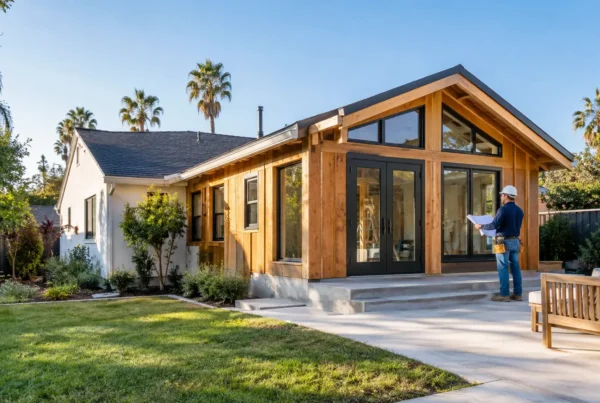
The best decision should support the next phase of the property as well as the immediate need. If you plan to build an ADU, add a second-story addition, convert a garage, or complete a major remodel, roofing should be evaluated as part of the overall construction plan. It may not make sense to invest in a new roof immediately before structural changes require portions of it to be removed and rebuilt.
On the other hand, a failing roof should not be ignored while planning a larger project. Ongoing moisture can damage insulation, drywall, framing, and electrical components, adding unnecessary scope later. Coordinating roofing with a phased construction plan can protect the home now while avoiding duplicated work.
For property owners in Los Angeles and Orange County, roof design also needs to account for intense sun, seasonal rain, wind exposure, and the particular layout of the home. Flat and low-slope areas, complex rooflines, solar equipment, rooftop HVAC, skylights, and multiple additions can create details that need careful planning. The lowest initial price is rarely the best measure of value when critical transitions are not properly addressed.
Compare Value, Not Just the Immediate Price
A repair has a lower upfront cost in many cases, which makes it appealing when the roof has plenty of usable life left. But a low-cost repair is not a value if the same roof needs another repair after the next storm. Likewise, replacement costs more initially, but it can reduce repeated service calls, protect interior improvements, and provide a more predictable foundation for future property work.
Ask for a clear scope that identifies the affected areas, the materials to be used, whether damaged decking will be evaluated, how flashing will be handled, and what cleanup and site protection are included. If a replacement is recommended, ask why repair would not be sufficient. If repair is recommended, ask how the contractor confirmed that deterioration is not more widespread.
This conversation should be practical, not pressured. A dependable contractor will explain the condition of the roof in plain language, outline the trade-offs, and help you choose a scope that fits the home’s condition and your plans for the property.
Get a Professional Roof Assessment Before Damage Grows
Roofing decisions are easier when they are made before a small issue becomes interior damage. A professional inspection can distinguish a repairable flashing failure from a roof nearing the end of its service life, identify conditions that need prompt attention, and provide a clear path forward.
RD Fast Construction approaches roofing as part of the home’s complete protection system. Whether the right answer is a focused repair or a full replacement, the work should be planned carefully, executed with attention to detail, and coordinated with the property’s larger goals. A roof should give you confidence when the weather changes, not another question mark over your home.