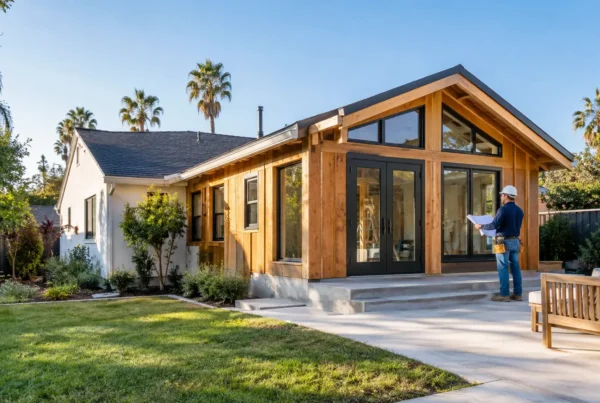

A remodeling schedule can look solid on paper and still lose weeks before the first wall is opened. A missing structural detail, an unselected fixture, a permit correction, or a long-lead window can stop crews who are otherwise ready to work. Knowing how to prevent remodeling delays means treating planning, approvals, purchasing, and construction as one connected process – not separate tasks handled as they arise.
For major renovations, room additions, garage conversions, ADUs, and commercial improvements, the best time to protect the schedule is before demolition begins. A qualified general contractor can coordinate the moving parts, but owners also play an important role by making timely decisions and maintaining a clear project scope.
How to Prevent Remodeling Delays With a Complete Scope
The most common source of delay is not weather or labor. It is an incomplete scope of work. When plans leave important decisions unresolved, those decisions move into the construction phase, where every answer affects labor, material orders, inspections, or the next trade on site.
Start with a detailed conversation about how the finished space must function. For a home addition, that may include room use, storage, window locations, plumbing fixtures, heating and cooling needs, and exterior finishes. For an ADU or garage conversion, it may also involve utility routing, kitchen layout, access, fire separation, and site conditions. The goal is to reduce assumptions before crews are scheduled.
Plans and specifications should be coordinated closely enough that the contractor can build from them with confidence. That does not mean every decorative detail must be finalized months in advance, but structural elements, layout decisions, major systems, and materials that affect rough-in work must be clear. Changing a shower location after plumbing begins, for example, is not a small adjustment. It can affect framing, drainage, waterproofing, tile quantities, and inspection timing.
A practical scope also identifies what is included and what is outside the project. This avoids mid-project surprises about existing conditions, owner-provided materials, utility upgrades, or work in adjacent areas. The clearer the starting point, the fewer change decisions will interrupt progress.
Build the Schedule Around Real Dependencies
A reliable construction schedule is more than a target completion date. It maps the sequence of work and the dependencies between each phase. Site preparation may need to finish before foundations begin. Foundations need adequate time before framing. Rough plumbing, electrical, and HVAC must be completed before insulation and drywall. Inspections often sit between those stages.
Each dependency deserves realistic attention. A rushed schedule that ignores inspections, material lead times, curing periods, or access limitations may look attractive at the start, but it creates pressure and confusion later. A better schedule includes reasonable allowances for these normal parts of construction.
It also needs to account for the property’s conditions. Occupied homes require careful phasing so residents can maintain safe access and essential services. Tight lots may limit material staging and equipment access. In Los Angeles and Orange County, permit review requirements, jurisdictional procedures, and utility coordination can vary by project location. These are not reasons to avoid setting a schedule. They are reasons to build one based on the actual job rather than a generic timeline.
Ask Who Owns Each Next Step
Delays often occur in the handoff between parties. A designer may believe a contractor is ordering a product, while the contractor is waiting for the owner to select it. A subcontractor may be ready for rough-in while an engineering clarification is still pending.
Before construction begins, establish who is responsible for selections, submittals, permit responses, site access, payments, inspections, and project approvals. Then set a communication rhythm. Weekly progress meetings or concise updates can identify an issue early, when it is easier to solve, instead of after a crew has lost a workday.
Finalize Long-Lead Materials Early
Material availability has a direct effect on remodeling timelines. Windows, exterior doors, custom cabinets, specialty tile, appliances, HVAC equipment, electrical gear, and certain plumbing fixtures may have longer lead times than expected. Availability can change after a product is specified, especially when a particular size, finish, or custom configuration is involved.
The solution is not to buy every item immediately. Early purchasing can create storage, damage, warranty, and return concerns. Instead, identify materials that control the schedule and confirm their availability before work reaches the point where they are needed. Your contractor should help distinguish between items that can be selected later and items that must be released early to protect the project sequence.
Owners should also approve key selections promptly. A delayed cabinet decision can affect countertop templates, electrical locations, appliance openings, and finish work. Choosing an alternate product is sometimes the right call when lead time becomes a problem, but substitutions should be reviewed for dimensions, performance, budget impact, and compatibility with the overall design.
Treat Permitting and Inspections as Active Project Phases
Permits are not a box to check at the start of a job. They are an active part of the project path. Plan review comments, revisions, agency questions, and inspection scheduling can all affect when work moves forward. A professional team prepares complete documentation, coordinates with designers and engineers as needed, and tracks requirements throughout construction.
Homeowners can help by avoiding unapproved scope changes once plans are submitted or permits are issued. A change that seems straightforward may require revised documents or additional review, depending on the nature of the work and the local authority having jurisdiction. Your contractor can explain the likely schedule impact before the change is authorized.
Inspections should be anticipated in the schedule, not treated as last-minute appointments. Crews need to complete the correct work, maintain safe access, and prepare the site before an inspection can occur. If an inspector identifies a correction, the fastest response is clear documentation, direct coordination, and prompt corrective work – not guesswork or shortcuts.
Protect the Jobsite From Avoidable Interruptions
Construction productivity depends on a safe, organized, accessible jobsite. When materials are not where they need to be, access is blocked, work areas are unsafe, or the property is not ready for scheduled work, trade coordination becomes harder.
For an occupied home, establish practical rules before construction starts. Confirm work hours, access procedures, pet arrangements, parking limitations, areas that must remain protected, and who can make decisions if the primary owner is unavailable. If the project requires temporary utility shutdowns or restricted access to part of the property, communicate those dates as early as possible.
Unexpected conditions can still arise once walls, floors, or soil are opened. Existing damage, concealed plumbing, undocumented work, or unsuitable site conditions are part of the reality of remodeling older properties. The difference between a manageable issue and a long delay is how quickly it is documented, priced, reviewed, and resolved. An experienced general contractor does not ignore these conditions. The team presents the issue clearly, recommends a path forward, and updates the schedule based on the work actually required.
Control Changes Without Stopping Progress
Changes are not automatically a problem. Many owners refine decisions after seeing the space take shape, and some changes genuinely improve the final result. The risk comes from making changes informally or waiting until affected work is already underway.
Use a clear change process that identifies the requested modification, cost implications, material availability, and schedule effect before authorization. This protects both the owner and the construction team. It also keeps records aligned when multiple trades are involved.
If a change is essential, make the decision quickly and prioritize it. If it is optional, consider whether it can be handled later without disrupting critical work. For example, a design enhancement in a room not yet under construction may be easier to accommodate than a new request after finishes, inspections, and trade sequencing are complete.
Choose One Accountable Construction Partner
A project with separate designers, permit coordinators, suppliers, and trades can succeed, but every additional handoff requires active coordination. Design-build delivery can reduce that friction by connecting planning, preconstruction, permitting coordination, purchasing, field supervision, and closeout under one accountable team.
RD Fast Construction approaches major residential and commercial projects with that responsibility in mind. The focus is not simply on keeping workers busy. It is on preparing the work correctly, coordinating qualified trades, maintaining quality and safety standards, and communicating early when a decision could affect the schedule.
The right contractor will not promise that every unknown can be eliminated. Weather, agency review, material availability, and concealed conditions can change the path of a project. What a dependable contractor can provide is disciplined planning, honest schedule updates, and a clear response when conditions change.
A well-run remodel gains momentum long before construction starts. Bring the right people into the planning process, make critical decisions early, and insist on a schedule built around real conditions. That preparation gives your project the best chance to move forward with confidence and finish the way it was meant to: built right, with fewer surprises along the way.