A Los Angeles custom home rarely begins with a blank page. It begins with a hillside lot, an aging house ready for replacement, a tight neighborhood footprint, or a family that has outgrown a home they love. Choosing the right custom home builder Los Angeles property owners can rely on is less about finding someone who can build walls and more about finding a team that can turn a complicated vision into a well-managed project.
A custom home is a major investment in how you live, host, work, and build long-term property value. The right contractor brings practical planning to the process early, protects the quality of the work during construction, and keeps communication clear through final turnover.
Start With the Site, Not the Floor Plan
A beautiful plan can still become an expensive problem if it does not respond to the site. Los Angeles properties vary dramatically from one neighborhood to the next. A flat infill lot in the Valley has different constraints than a hillside property, a coastal home, or a narrow parcel in a dense urban neighborhood.
Before construction begins, a capable builder should help identify the factors that will shape the project: site access, grading needs, existing utilities, drainage, soil conditions, zoning limitations, and nearby structures. These details affect cost, schedule, foundation design, equipment access, and construction sequencing.
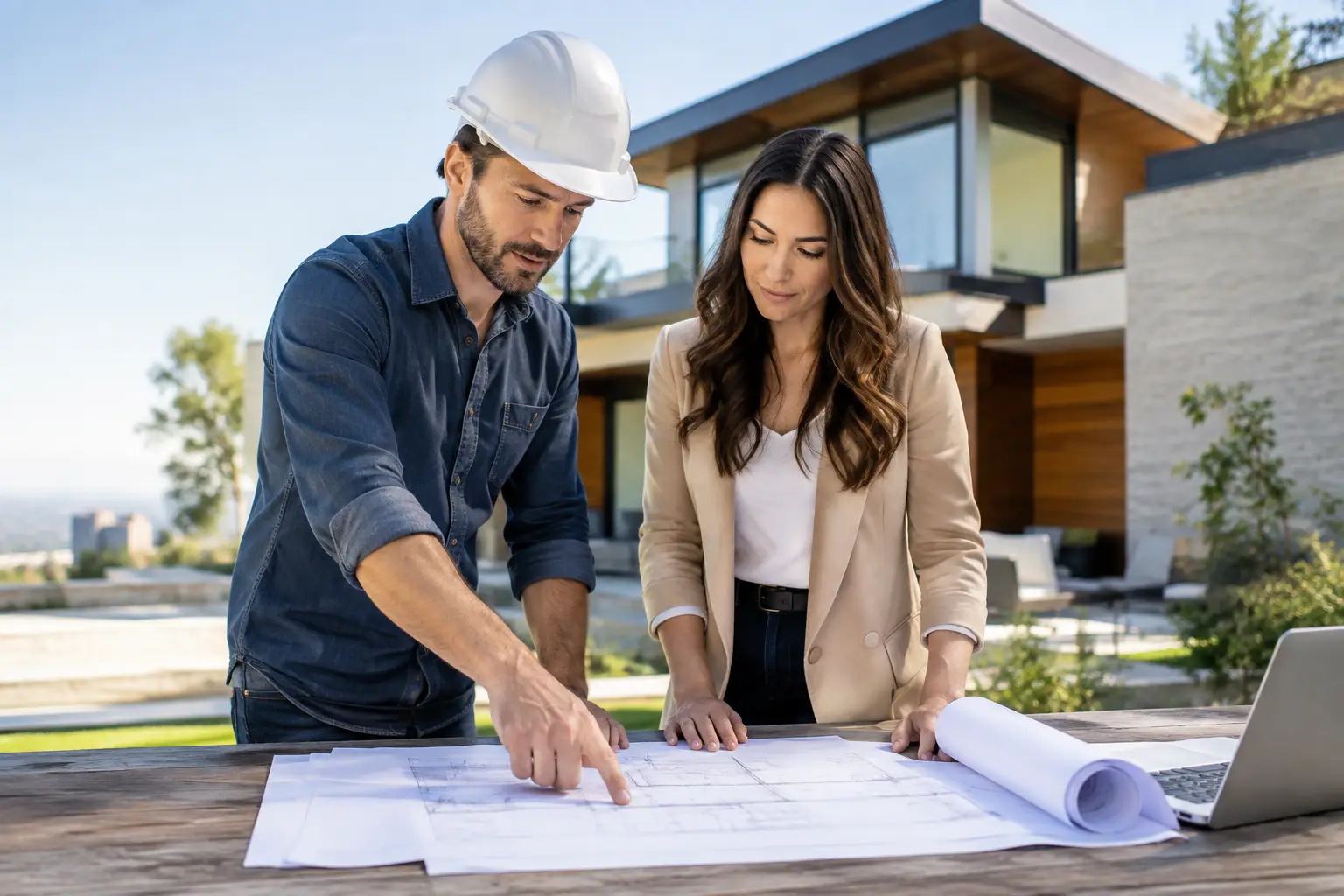
This is why early feasibility and site analysis matter. They give homeowners a more realistic view of what their budget can accomplish before major design decisions are locked in. A contractor who asks detailed questions at the start is not slowing the process down. They are helping prevent costly surprises later.
What a Custom Home Builder in Los Angeles Should Manage
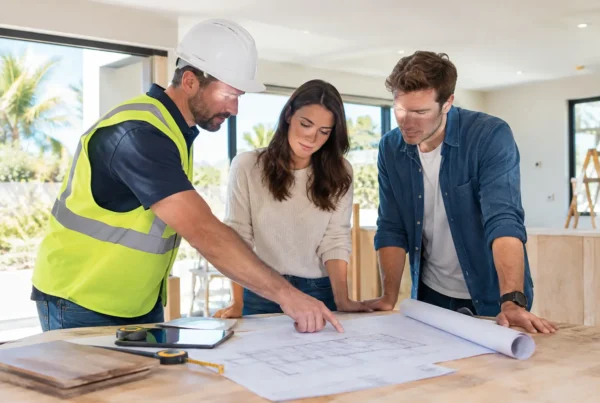
Custom construction involves many moving parts, and homeowners should not have to serve as the coordinator between every consultant, subcontractor, supplier, and inspector. A full-service builder should take responsibility for organizing the work from pre-construction through closeout.
That includes reviewing plans for constructability, developing a working schedule, coordinating trades, ordering materials at the appropriate time, maintaining site safety, and preparing for required inspections. It also means communicating when a field condition changes the original plan and presenting practical options before a decision becomes urgent.
The strongest contractor relationships are built on accountability. You should know who is managing the job, how updates will be shared, what work is scheduled next, and whom to contact when you have a question. Fast delivery matters, but it should never mean rushing past planning, safety controls, or quality checks.
Clear Scope Prevents Expensive Assumptions
Many construction frustrations start with unclear expectations. A proposal that simply says “custom home construction” does not tell you enough about what is included, what requires a separate allowance, or where costs may change.
A useful estimate breaks the project into understandable categories and defines the scope of work. It should address demolition when applicable, site preparation, structural work, framing, roofing, windows, mechanical systems, plumbing, electrical work, insulation, drywall, finishes, and final cleanup. For owner-selected items such as appliances, tile, lighting, cabinetry, or fixtures, the budget should make clear whether an allowance has been included.
There will always be variables in construction. Hidden conditions can appear after demolition, and owners may decide to upgrade materials as the home takes shape. The goal is not to pretend changes will never happen. The goal is to establish a transparent process for pricing, approving, documenting, and scheduling them.
Design for Daily Life, Not Just the Reveal
A custom home should look exceptional, but lasting value comes from how it performs every day. The best decisions are often practical: enough storage near the entry, durable flooring for active households, lighting that supports both work and relaxation, and kitchen layouts that allow people to move comfortably during busy mornings or family gatherings.
Think through how your household will use each room five or ten years from now. A growing family may benefit from flexible rooms that can shift from office to bedroom. A homeowner planning to age in place may prioritize wider circulation areas, curbless showers, and a bedroom on the main floor. Investors may focus on layouts that improve rental flexibility or add an ADU where local requirements and site conditions allow.
Material choices should also match the home’s location and maintenance needs. Natural finishes can create a distinctive look, while high-performance alternatives may offer easier care and better durability. There is no universal answer. A skilled builder can explain the trade-offs between appearance, cost, maintenance, lead time, and long-term performance.
Permits, Inspections, and Compliance Are Part of the Build
Los Angeles construction is shaped by building codes, local regulations, energy requirements, and inspection milestones. These are not side tasks to address after the design is complete. They should be considered throughout planning and construction.
Permit-oriented coordination helps ensure the project is built with the right documentation, approved scope, and inspection sequence. It also protects the homeowner from the risk of unpermitted work that can create problems during refinancing, insurance claims, resale, or future renovations.
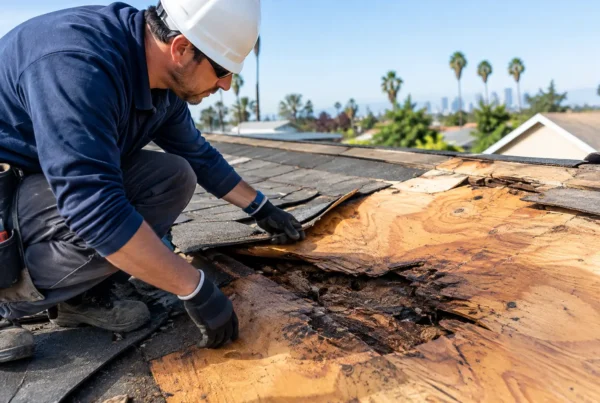
Experienced crews understand that compliance and craftsmanship support each other. Proper structural connections, waterproofing details, electrical protection, ventilation, and safety practices may not be the most visible parts of a finished home, but they are among the most important. Quality construction is what you see, and what remains behind the walls.
Ask How the Builder Protects Schedule and Quality
Every homeowner wants a project completed efficiently. The realistic question is how the builder plans to keep work moving without sacrificing the details that make a home durable.
Ask how the construction schedule is created and updated. Find out how long-lead materials are identified, how subcontractors are coordinated, and how weather, inspections, or design changes are handled. A reliable schedule is not a promise that nothing will change. It is a management tool that gives the entire team a clear path forward.
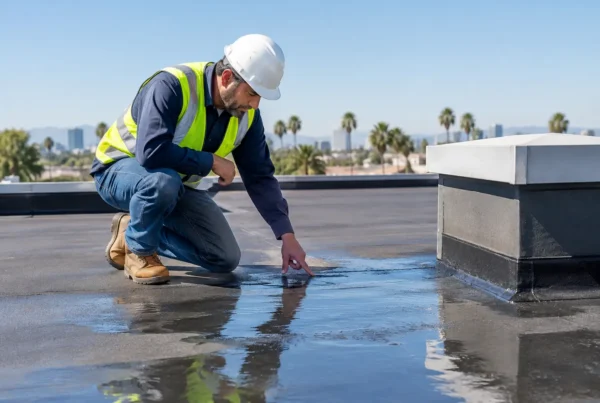
Quality control should be equally visible. Look for a builder that performs regular site supervision, checks work before it is covered by the next phase, keeps the site organized, and addresses punch-list items with urgency. Good construction management is proactive. It catches small issues when they are still simple to correct.
Choose a Partner, Not Just a Price
The lowest bid can be tempting, especially when custom-home costs are significant. But a lower number can reflect missing scope, unrealistic labor assumptions, lower-grade materials, or insufficient project supervision. Comparing estimates only by their bottom-line total can lead to an uneven comparison.
Instead, consider the contractor’s approach to planning, communication, scheduling, safety, workmanship, and change management. Ask for clarity about licensing, insurance, crews, project oversight, and the process for resolving concerns. You are selecting the team that will work on one of your most valuable assets for months, not just hiring a vendor for a single transaction.
RD Fast Construction approaches custom home projects with that responsibility in mind, combining detailed pre-construction planning, experienced trade coordination, safety-focused execution, and direct client communication from the first estimate through final handover.
Build With Confidence From the First Conversation
The right custom home is not created by chance. It comes from careful decisions made before construction, disciplined work in the field, and a builder willing to stand behind every phase of the project.
Bring your ideas, priorities, site information, and questions to the first conversation. A dependable contractor will help turn them into a clear path forward – one that respects your budget, protects your property, and builds a home that is ready for the way you want to live.